hulksteroids.com is our only official website. Beware of imitations and stay protected.

Performance Consistency, Recovery Quality and the New Standards of Modern Physique Development
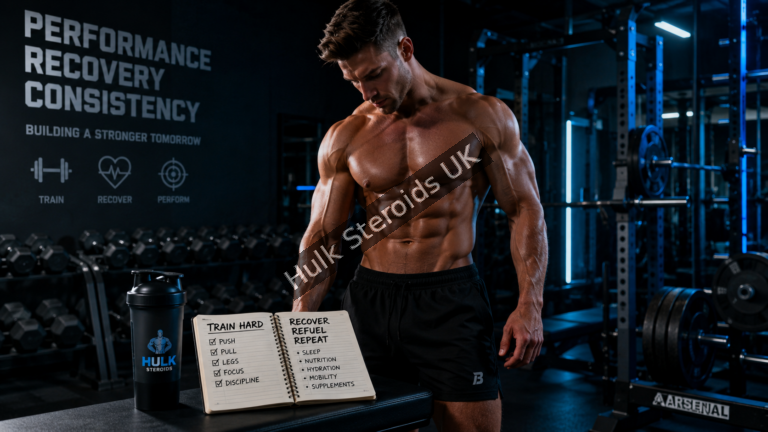
Modern physique development looks very different from the performance culture that dominated previous generations.
For years, athletes were encouraged to focus almost exclusively on intensity. More volume, more workload, more sessions, and more aggressive progression were often viewed as the primary path toward improvement. While effort remains essential, the industry has gradually recognised a simple reality: sustainable success depends on much more than training intensity alone.
Today, advanced athletes are increasingly focused on creating environments that support long term development. Recovery quality, performance stability, conditioning precision, and progression consistency are becoming just as important as the training itself.
This shift explains the growing interest in categories such as Testosterone Injectable Steroids, HGH & Peptides, and Oral Steroids, all of which are frequently discussed within structured performance environments focused on sustainable progression rather than short term extremes.
Why Consistency Outperforms Intensity
One of the biggest misconceptions in physique development is the belief that the athlete who trains the hardest will always achieve the best results.
In reality, long term progress is often determined by consistency.
Athletes capable of maintaining productive training environments month after month frequently outperform those who alternate between extreme intensity and periods of disruption.
When progression becomes unstable, several problems often appear simultaneously:
- Recovery quality begins declining.
- Training output becomes inconsistent.
- Adaptation slows.
- Momentum becomes increasingly difficult to maintain.
This is why many experienced athletes focus on preserving structure throughout demanding phases rather than constantly chasing temporary performance peaks.
The objective is not simply to perform well today.
The objective is to create an environment where performance can remain productive for months and years.
Recovery Quality Is Becoming a Competitive Advantage
Recovery is no longer viewed as a passive process.
Modern athletes increasingly recognise that recovery quality directly influences training consistency, performance output, and overall progression potential.
When recovery systems remain aligned with workload demands, athletes are generally better positioned to maintain:
- Higher quality training sessions.
- Improved adaptation.
- Greater workload tolerance.
- More predictable progression.
This growing focus on recovery has created significant interest in performance categories such as HGH & Peptides, where discussions frequently revolve around sustainable development, adaptation quality, and long term progression planning.
As physique culture evolves, recovery is becoming less about resting and more about creating conditions that allow continued advancement.
The Relationship Between Performance and Recovery
Performance and recovery are often treated as separate concepts.
The reality is that they operate together.
Training creates the demand for adaptation.
Recovery determines whether adaptation can occur effectively.
When recovery quality deteriorates, even highly motivated athletes often experience:
- Reduced performance output.
- Greater fatigue accumulation.
- Declining training quality.
- Reduced progression reliability.
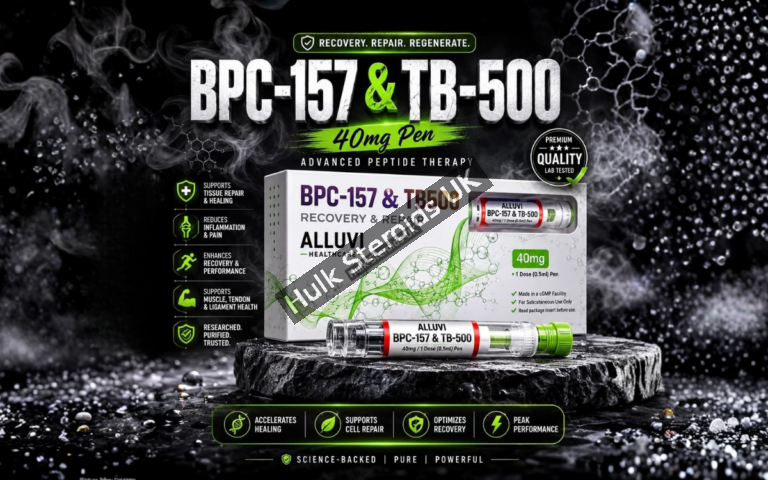
This is one reason products such as BPC-157 TB-500 40mg Pen continue appearing in broader conversations surrounding recovery focused development environments.
The discussion itself is becoming increasingly sophisticated.
Athletes are no longer evaluating performance through a single lens. They are examining how recovery, progression, conditioning, and sustainability interact throughout demanding phases.
Conditioning Has Become More Precise
The conditioning environments of today are considerably more refined than those of previous eras.
Modern athletes are increasingly focused on maintaining:
- Physique quality.
- Performance consistency.
- Recovery alignment.
- Long term momentum.
This evolution has contributed to the continued popularity of categories such as Oral Steroids, which are often discussed within conditioning focused environments where athletes prioritise refinement and presentation quality.
Conditioning is no longer viewed purely as reduction.
It is increasingly connected to performance retention, physique precision, and sustainable progression.
Athletes are learning that maintaining output while improving presentation often produces better long term outcomes than aggressive approaches built entirely around rapid transformation.
Why Physique Quality Depends on Structure
Many athletes mistakenly believe that impressive physiques are built through isolated periods of extreme effort.
In reality, the strongest physiques are usually developed through consistent execution over extended periods.
Structure allows athletes to preserve:
- Training rhythm.
- Recovery quality.
- Progression momentum.
- Conditioning consistency.
Without structure, even significant effort can produce unpredictable results.
This is why advanced development systems increasingly emphasise planning, progression control, and long term consistency rather than constant escalation.
Sustainable Momentum Creates Superior Results
Momentum remains one of the most valuable assets within any performance environment.
Athletes who maintain stable progression across extended phases are generally able to accumulate far greater improvements than those repeatedly rebuilding after setbacks.
Sustainable momentum is often supported by:
- Consistent execution.
- Effective recovery management.
- Structured progression.
- Long term decision making.
This philosophy is increasingly visible throughout modern enhancement culture.
Rather than focusing exclusively on rapid transformation, athletes are becoming more interested in preserving productive environments where progress can continue accumulating without interruption.
The Growing Focus on Reliable Progression
Reliable progression has become one of the defining characteristics of successful performance environments.
Athletes are becoming increasingly selective about preserving:
- Recovery consistency.
- Performance reliability.
- Conditioning quality.
- Development stability.
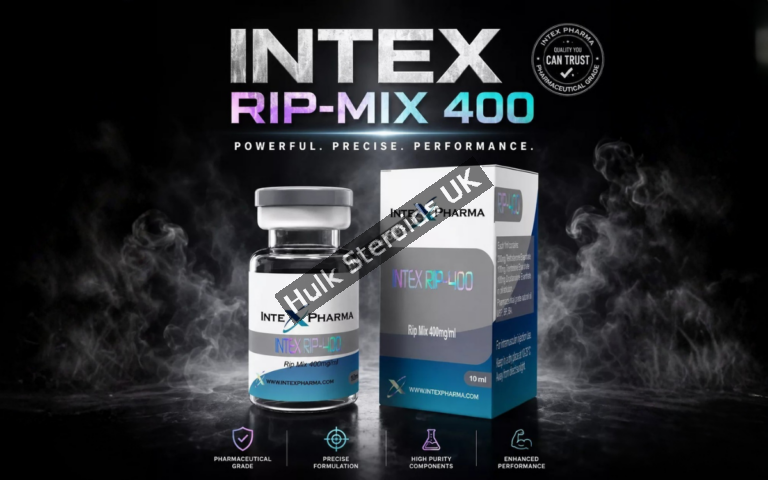
This has contributed to continued discussions surrounding products such as RIP 400mg/ml by Intex Pharma, which are often referenced within broader conversations focused on progression planning, performance consistency, and structured development systems.
The discussion itself reflects a wider change in modern physique culture.
The emphasis is gradually moving away from chaos and increasingly toward sustainability.
Conditioning Authority and Competitive Readiness
As physique standards continue evolving, conditioning quality is becoming increasingly important.
Athletes are placing greater value on:
- Muscular detail.
- Visual balance.
- Physique refinement.
- Performance preservation.
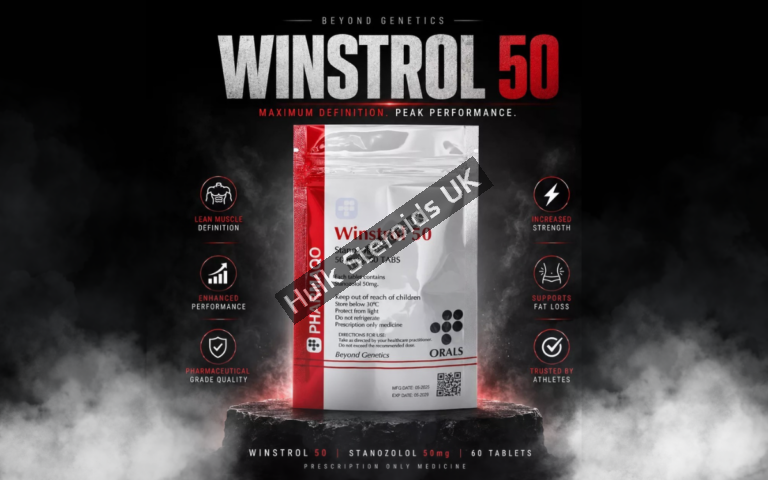
This has helped maintain interest in products such as Pharmaqo Labs Winstrol 50mg x 60 Tabs, which frequently appear within discussions surrounding conditioning focused development environments and physique presentation standards.
Modern athletes understand that presentation quality is often built through precision rather than aggression.
The goal is no longer simply to become bigger.
The goal is to become better.
Building the Modern Performance Environment
The strongest performance environments share several common characteristics.
They prioritise:
- Consistency over chaos.
- Structure over randomness.
- Sustainability over extremes.
- Long term progression over short term excitement.
Athletes who successfully maintain these principles often experience stronger development outcomes while avoiding many of the disruptions associated with excessive fluctuation.
This represents one of the most important changes within modern performance culture.
The conversation is increasingly focused on preserving momentum rather than constantly rebuilding it.
Final Perspective
Modern physique development is becoming increasingly sophisticated.
Athletes are no longer evaluating progress purely through intensity, workload, or short term transformation.
Instead, greater emphasis is being placed on recovery quality, conditioning precision, progression consistency, and sustainable development.
The strongest results are often achieved not through relentless intensity alone, but through creating environments where performance, recovery, adaptation, and progression remain aligned throughout every phase of development.
As performance culture continues evolving, consistency is becoming one of the most valuable assets an athlete can possess.
Those who preserve it are often the ones who continue progressing long after others have been forced to start over.